
10 Essential Gut Friendly Food Choices for a Healthier You in 2026
Navigating the world of digestive wellness can feel overwhelming, filled with conflicting advice and complex science. But what if improving your gut health wasn't about restrictive diets, but about strategic additions? This guide moves beyond generic tips to offer a curated list of ten essential gut friendly food categories designed to nourish your microbiome effectively. We'll explore not just what to eat, but why specific foods work and how to integrate them into your daily routine for tangible benefits, from stabilized energy levels to a calmer mood and more resilient digestion.
Think of this as your practical roadmap to building a well-nourished gut, one intentional meal at a time. The goal isn't perfection; it's sustainable progress. For those looking to dive deeper into foundational strategies before exploring specific foods, understanding the broader lifestyle factors is key. To further explore these holistic strategies, consider this comprehensive guide: How to Improve Gut Health Naturally and Feel Your Best.
This article will break down key food groups, from powerful fermented options and prebiotic powerhouses to anti-inflammatory fats and low-FODMAP choices. You will gain actionable insights, serving suggestions, and substitution tips to personalize your approach. Let's get started and discover the foods that will help your digestive system thrive.
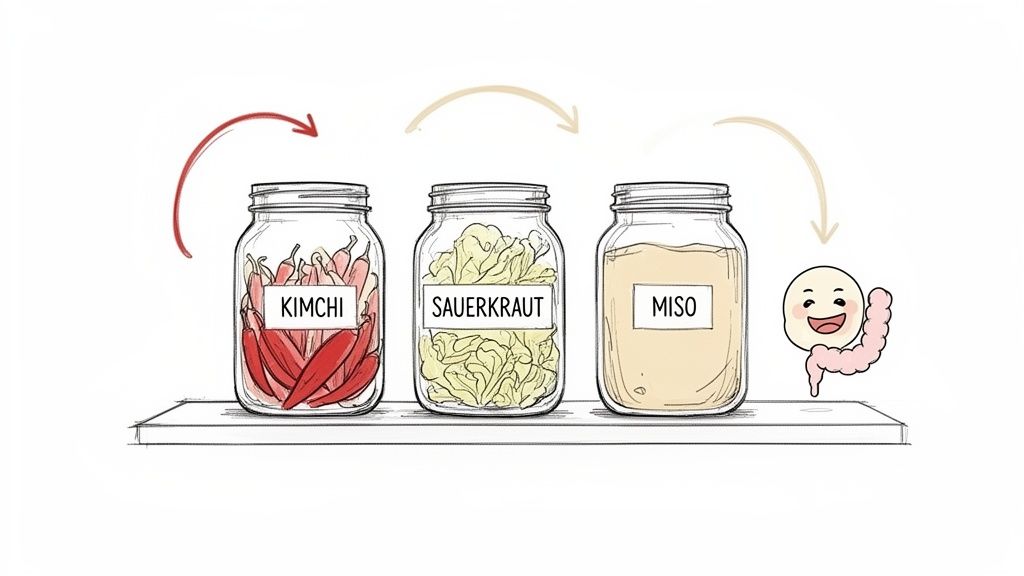
1. Fermented Foods (Kimchi, Sauerkraut, Miso)
Fermented foods are a cornerstone of any diet focused on digestive wellness. Through a process called lacto-fermentation, beneficial bacteria break down sugars in foods like cabbage or soybeans, creating lactic acid. This natural process not only preserves the food but also generates a rich source of live microorganisms, or probiotics, that diversify your gut microbiome. As a top-tier gut friendly food, they introduce beneficial bacteria that help balance your internal ecosystem.
The benefits extend beyond digestion. Pioneers in neurogastroenterology, like Dr. Emeran Mayer, have highlighted the profound connection between gut health and mental well-being, known as the gut-brain axis. Consuming fermented foods can positively influence this communication, potentially impacting mood and stress responses.
How to Incorporate Fermented Foods
Start small to allow your system to adjust. Adding just one to two tablespoons daily can make a significant difference without causing digestive upset.
- Look for "Live Cultures": When buying products like sauerkraut or kimchi, check the label for terms like "live and active cultures" or "unpasteurized." Pasteurization kills the beneficial bacteria you want.
- Store Properly: Keep these foods refrigerated to maintain the viability of the probiotics.
- Use as a Garnish: Think of fermented foods as a condiment rather than a main dish. Add a spoonful of kimchi to your eggs, top a salad with sauerkraut, or mix miso paste into a dressing.
- Track Your Response: Logging your intake can help you connect specific foods to improvements in digestion, mood, or even stress-related cravings.
By gradually introducing these powerful foods, you can harness their benefits for both a happy gut and a balanced mind.
2. Soluble Fiber (Oats, Barley, Beans)
Soluble fiber is a powerhouse for digestive health, dissolving in water to form a gel-like substance in your gut. This gel acts as a prebiotic, providing essential food for your beneficial gut bacteria. By slowing down digestion, it also helps stabilize blood sugar levels and promotes a feeling of fullness, which can reduce stress-related snacking. Including this type of gut friendly food is a key strategy for maintaining a balanced internal ecosystem and consistent energy.
This dual-action benefit is crucial. Research from figures like Dr. Andrew Huberman has emphasized the link between stable blood sugar and mood regulation. By feeding good bacteria and preventing energy crashes, soluble fiber supports both gut harmony and mental clarity, directly addressing the gut-brain axis from a different angle than probiotics.
How to Incorporate Soluble Fiber
Introduce fiber slowly over several weeks to let your digestive system adapt. Aim for a daily intake of 25-35 grams and drink plenty of water.
- Choose Whole Sources: Opt for steel-cut oats, black beans, lentils, barley, apples, and chia seeds over processed fiber supplements for the most benefit.
- Drink Adequate Water: Fiber needs water to work effectively. Aim for 8-10 glasses daily to prevent digestive discomfort as you increase your intake.
- Balance Your Plate: Combine soluble fiber with protein and healthy fats. For example, add nuts and seeds to your morning oatmeal to maximize satiety.
- Track Your Energy: Use a journal to note how meals rich in soluble fiber affect your energy levels and cravings, helping you see the connection to blood sugar stability.
Gradually increasing your intake of these foods can lead to significant improvements in digestive regularity, satiety, and overall well-being.
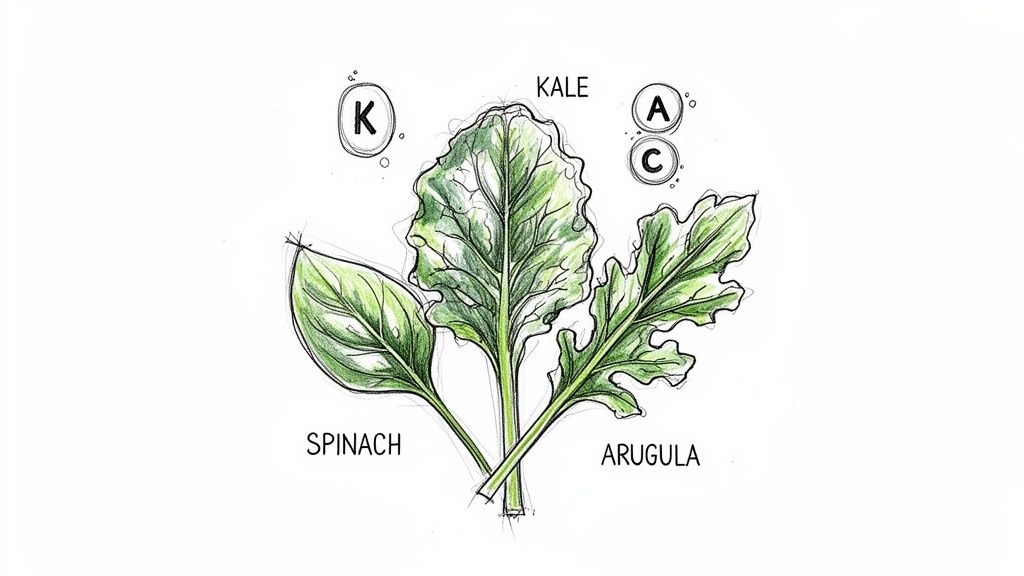
3. Leafy Greens (Spinach, Kale, Arugula)
Leafy greens are powerhouse vegetables packed with vitamins, minerals, and fiber, all while being low in calories and easy on the digestive system. They serve as a foundational gut friendly food by providing specific types of fiber that feed beneficial gut bacteria. Additionally, greens like kale and arugula contain compounds that support the body's natural detoxification processes and help reduce inflammation, creating a healthier environment for your microbiome to thrive.
The high nutrient density of leafy greens, a concept championed by experts like Dr. Joel Fuhrman, means you get a significant nutritional return for every bite. This supports overall health far beyond the gut, influencing everything from energy levels to cardiovascular wellness, as highlighted in research from the Harvard School of Public Health.
How to Incorporate Leafy Greens
Integrating more greens is simple and can be done at every meal. The key is to find preparations that you enjoy and that your digestive system tolerates well.
- Start with Softer Greens: If you're new to a high-fiber diet, begin with spinach or butter lettuce, which are gentler on the gut.
- Cook for Digestibility: Lightly steaming or sautéing greens like kale and Swiss chard can break down tough fibers, making them easier to digest.
- Massage Your Kale: For raw kale salads, massage the leaves with a bit of olive oil and lemon juice for a few minutes. This softens the texture and improves digestibility.
- Boost Nutrient Absorption: Pair your greens with a source of healthy fat, such as an olive oil dressing, avocado, or a sprinkle of nuts, to help your body absorb fat-soluble vitamins like A and K.
- Log Your Meals: Taking photos of your leafy green-rich meals can help you track how different types impact your energy and digestive comfort.
By making these nutrient-dense vegetables a regular part of your diet, you provide essential fuel for both your body and your beneficial gut microbes.
4. Wild-Caught Fatty Fish (Salmon, Sardines, Mackerel)
Fatty fish are a powerhouse for digestive and mental health due to their high concentration of omega-3 fatty acids, specifically EPA and DHA. These fats are essential for maintaining the integrity of the gut lining, which prevents harmful substances from entering the bloodstream. As a premium gut friendly food, wild-caught fish helps combat systemic inflammation, a common root cause of digestive distress and mood imbalances.
The anti-inflammatory properties of omega-3s are well-documented. Experts like Dr. Andrew Weil have long championed an anti-inflammatory diet, with fatty fish at its core, to support overall wellness. By promoting a favorable omega-3 to omega-6 ratio, these foods help regulate the body's inflammatory responses, which directly benefits the gut-brain axis and can help manage stress-related eating patterns.
How to Incorporate Fatty Fish
Aim for two to three 4-ounce servings per week to reap the benefits without overdoing it. A consistent intake is key to reducing inflammation.
- Prioritize Wild-Caught: Whenever possible, choose wild-caught salmon or other fatty fish over farm-raised varieties. They typically have a better fatty acid profile and fewer contaminants.
- Choose Smaller Fish: To minimize mercury exposure, opt for smaller fish like sardines, mackerel, and anchovies. They are sustainable, affordable, and packed with nutrients.
- Pair for Power: Combine fatty fish with fiber-rich vegetables like broccoli or spinach. The combination enhances satiety and supports the body’s natural detoxification processes.
- Monitor Your Mood: Use a log to track your fish consumption alongside your mood and anxiety levels. This can help you see a direct correlation between omega-3 intake and improved emotional regulation.
5. Resistant Starch (Green Bananas, Cooled Potatoes, Plantains)
Resistant starch is a unique type of carbohydrate that bypasses digestion in the small intestine and travels to the large intestine, where it ferments. This fermentation process feeds beneficial gut bacteria and leads to the production of short-chain fatty acids like butyrate, which is crucial for colon health. As a powerful prebiotic and gut friendly food, it fuels your microbiome without significantly impacting blood sugar levels, promoting both digestive wellness and metabolic stability.
This unique function makes it a standout for appetite regulation and sustained energy. Researchers like Dr. Tim Spector have emphasized the importance of resistant starch for diversifying the gut microbiome, linking it directly to improved gut barrier function and reduced inflammation. By nourishing beneficial microbes, it helps maintain a balanced internal ecosystem that supports overall health.
How to Incorporate Resistant Starch
Start with small servings to allow your digestive system to adapt, as a sudden increase can cause gas or bloating. A quarter-cup of cooled potatoes or a small, slightly green banana is a great starting point.
- Cook and Cool: Prepare potatoes, rice, or pasta, then refrigerate them for at least 4-6 hours. This cooling process increases their resistant starch content. Reheating them at a low temperature doesn't significantly reduce the benefits.
- Choose Underripe Fruit: Opt for bananas that are still slightly green. They are perfect for slicing into oatmeal or blending into a smoothie.
- Add it to Meals: Use cooled potato salad as a side dish, add cooled rice to a salad, or incorporate green plantains into stews.
- Track Your Energy: Monitor your energy levels and satiety after meals containing resistant starch. You may notice more stable energy and fewer cravings between meals, a key benefit for long-term appetite control.
By strategically adding these foods, you can effectively feed your beneficial gut bacteria and support both digestive and metabolic health.
6. Bone Broth and Collagen
Bone broth is a nutrient-dense liquid made by simmering animal bones and connective tissues for an extended period. This process extracts valuable amino acids like glycine, proline, and glutamine, along with gelatin and collagen. As a soothing gut friendly food, it provides the building blocks necessary to support the integrity of the intestinal lining, helping to repair and strengthen the gut barrier. A strong barrier is crucial for preventing unwanted particles from entering the bloodstream and triggering inflammation.
This traditional food has been championed by figures like Dr. Josh Axe and Sally Fallon Morell of the Weston A. Price Foundation for its role in healing. The gelatin and collagen in bone broth are particularly beneficial for gut health, providing the structural proteins that can help seal a compromised or "leaky" gut, which is often linked to digestive distress and autoimmune conditions.
How to Incorporate Bone Broth and Collagen
Consistency is key to reaping the gut-healing benefits. Aim for about one cup of bone broth daily or a scoop of collagen powder mixed into a beverage.
- Choose Quality Sources: Whenever possible, use bones from grass-fed, pasture-raised animals. This ensures a higher nutrient profile and avoids unwanted hormones or antibiotics.
- Boost Mineral Extraction: Add a splash of apple cider vinegar or lemon juice to your broth while it simmers. The acid helps draw more minerals out of the bones.
- Batch and Freeze: Make a large batch of bone broth over the weekend and freeze it in single-serving portions (like ice cube trays or silicone molds) for quick and easy use throughout the week.
- Track Your Progress: Log your intake and note any changes in digestive symptoms like bloating, gas, or regularity. Observing these shifts can help you understand how this powerful food supports your unique system.
By adding this ancient remedy to your routine, you can provide foundational support for a resilient and healthy gut lining.
7. Prebiotic Foods (Garlic, Onions, Asparagus, Bananas)
If probiotics are the seeds you plant in your gut garden, prebiotics are the fertilizer that helps them flourish. Prebiotic foods contain specialized fibers, like inulin and fructooligosaccharides, that your body cannot digest. Instead, these fibers travel to your colon where they become food for your beneficial gut bacteria, promoting their growth and activity. As a crucial category of gut friendly food, prebiotics are essential for nourishing your existing microbiome.
The fermentation of these fibers by gut microbes produces beneficial compounds called short-chain fatty acids (SCFAs), including butyrate, which is a primary energy source for colon cells. Microbiome researchers like Dr. Erica Sonnenburg have emphasized how a diet rich in diverse prebiotic fibers is linked to greater microbial diversity, a key indicator of a resilient and healthy gut ecosystem.
How to Incorporate Prebiotic Foods
Because prebiotics are so potent, it's best to introduce them slowly to avoid temporary gas or bloating as your gut bacteria adapt. Start with small servings and increase your intake gradually.
- Cook Them Down: Cooking prebiotic-rich vegetables like garlic, onions, and asparagus can make their fibers easier to digest initially.
- Combine with Probiotics: For a powerful "synbiotic" effect, pair prebiotic foods with probiotic ones. Try adding sliced banana to your yogurt or serving sauerkraut alongside a dish with leeks.
- Start Small: Begin by adding just one or two new prebiotic servings per week. Finely mince garlic or onion into soups, stews, or sauces rather than eating them whole.
- Track Your Tolerance: Use a journal to note how you feel after introducing new prebiotic foods. This can help you identify your personal tolerance levels and find the right balance for your unique digestive system.
By methodically adding these nourishing foods, you provide the fuel your beneficial gut microbes need to thrive, supporting overall digestive and metabolic health.
8. Polyphenol-Rich Foods (Berries, Green Tea, Dark Chocolate, Herbs)
Polyphenol-rich foods are powerful allies for digestive health, acting as fuel for beneficial gut microbes. These plant-based compounds, known for their antioxidant properties, largely bypass digestion in the small intestine and travel to the colon. There, they are broken down by gut bacteria, promoting the growth of beneficial strains like Akkermansia muciniphila and Faecalibacterium prausnitzii. As a key gut friendly food, they nourish your microbiome while providing systemic anti-inflammatory benefits.
This microbial interaction is critical. Experts like Dr. Tim Spector emphasize that a diet rich in diverse polyphenols is directly linked to greater microbiome diversity, a hallmark of a robust gut. This process not only supports digestive balance but also reinforces the gut lining and positively influences the gut-brain axis, potentially reducing inflammation-driven stress eating. To better understand how these foods support your internal ecosystem, you can read more about what prebiotics and probiotics are.
How to Incorporate Polyphenol-Rich Foods
Focus on adding a variety of colorful plant foods to your daily routine to maximize the benefits for your gut.
- Aim for Daily Intake: Consume one to two cups of berries like blueberries or raspberries, fresh or frozen. Enjoy a square of dark chocolate with at least 70% cacao content.
- Brew with Intention: Steep green tea for 3-5 minutes to maximize the extraction of its beneficial polyphenols.
- Use Herbs Generously: Don't just garnish with fresh herbs like oregano, basil, and thyme. Incorporate them generously into sauces, salads, and main dishes.
- Track Your Mood: Since polyphenols can impact the gut-brain axis, logging your intake can help you connect these foods to improvements in mood and a reduction in stress-related eating patterns.
By consistently including these vibrant foods, you actively feed the beneficial bacteria that are essential for long-term digestive and mental wellness.
9. Low-FODMAP Vegetables (Carrots, Zucchini, Bell Peppers)
For individuals with sensitive digestive systems, particularly those with IBS or SIBO, many otherwise healthy vegetables can trigger discomfort. Low-FODMAP vegetables are a game-changer, containing fewer fermentable carbohydrates that can cause bloating, gas, and pain. These vegetables provide essential nutrients without aggravating symptoms, making them an excellent gut friendly food for managing digestive distress.
The low-FODMAP diet, developed by researchers at Monash University, is an evidence-based approach to identify specific food triggers. By focusing on options like carrots, bell peppers, and zucchini, you can nourish your body while giving your digestive system a chance to calm down. This approach helps create a sustainable eating pattern for those who struggle with common vegetable choices.
How to Incorporate Low-FODMAP Vegetables
A low-FODMAP diet is typically done in phases with a professional. Start by substituting high-FODMAP vegetables with these gentler alternatives.
- Consult a Professional: Work with a dietitian experienced in the low-FODMAP protocol to guide you through the elimination and reintroduction phases safely.
- Verify Serving Sizes: Use a resource like the Monash University FODMAP Diet app to check appropriate serving sizes, as some low-FODMAP foods can become high-FODMAP in larger quantities.
- Cook Thoroughly: Cooking vegetables breaks down some of their fibers, making them easier to digest. Roasting, steaming, or sautéing are great options.
- Track and Reintroduce: The goal is not to stay on a strict low-FODMAP diet forever. Keep a detailed food and symptom diary to carefully reintroduce foods one at a time and identify your specific triggers.
By strategically using low-FODMAP vegetables, you can build a personalized diet that supports gut comfort and long-term health.
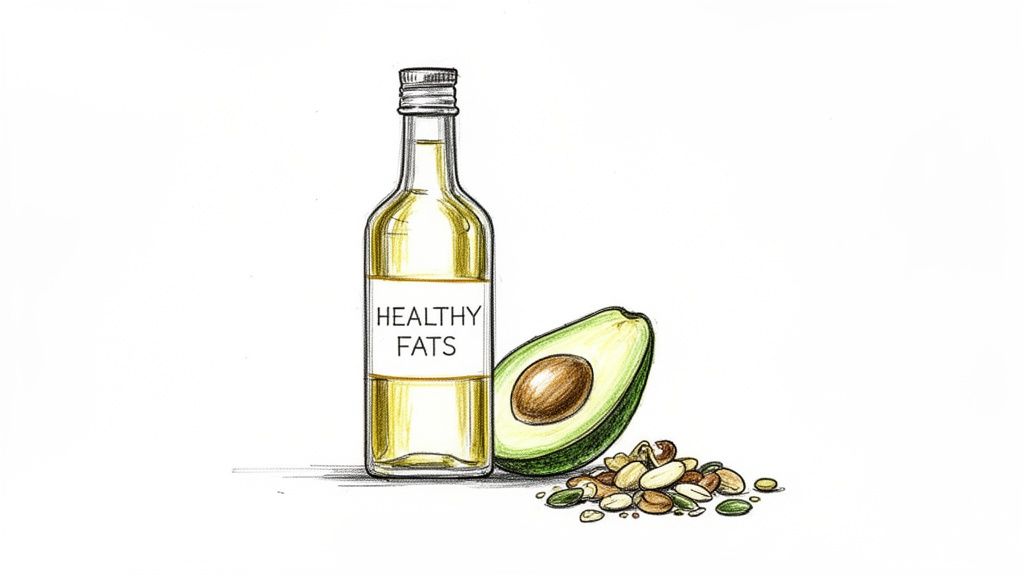
10. Healthy Fats (Olive Oil, Avocados, Nuts, Seeds)
Healthy fats are crucial for more than just heart health; they are a vital component of a digestive wellness strategy. Monounsaturated and polyunsaturated fats, found in foods like avocados and olive oil, help reduce inflammation in the gut lining and support the absorption of fat-soluble vitamins. As a key gut friendly food, these fats also slow down digestion, promoting stable blood sugar levels and increasing satiety, which can prevent the reactive eating cycles often triggered by energy crashes.
Research popularized by studies on the Mediterranean diet, including the work of Dr. David Katz and Dr. Dariush Mozaffarian, has consistently shown that incorporating these fats supports overall metabolic and gut health. They nourish the cells lining the intestine and can positively influence the composition of the gut microbiome, creating an environment where beneficial bacteria can thrive.
How to Incorporate Healthy Fats
Adding healthy fats is about quality and balance, not quantity. Focus on integrating them thoughtfully into your meals to maximize their benefits.
- Pair with Fiber and Protein: Combine healthy fats with fiber and protein for optimal satiety. For example, add avocado to a chicken salad or sprinkle nuts and seeds on your morning oatmeal.
- Choose High-Quality Oils: Use extra virgin olive oil for dressings and low-heat cooking, as high temperatures can damage its beneficial polyphenols. Aim for one to two tablespoons daily.
- Portion Your Servings: A serving is typically 1/4 to 1/2 of an avocado or about one ounce of nuts (e.g., 23 almonds or 14 walnut halves).
- Track Your Satiety: Use a log to note how long you feel full after a meal containing healthy fats. You may notice a significant reduction in food noise and the urge to snack between meals.
By mindfully including these fats, you support nutrient absorption, stabilize your energy, and contribute to a healthier, more resilient gut.
Top 10 Gut-Friendly Foods Comparison
Putting It All Together: Your Personal Gut Health Strategy
Navigating the world of gut health can feel complex, but as we've explored, the foundation is built on simple, consistent choices. This journey isn't about restrictive dieting or completely overhauling your kitchen overnight. Instead, it’s about strategically incorporating a diverse array of nourishing foods and, most importantly, learning to listen to your body's unique feedback. The power lies in the small, sustainable steps you take with each meal.
By integrating probiotic-rich fermented foods like kimchi and sauerkraut, you actively replenish the beneficial bacteria in your microbiome. Pairing these with prebiotic powerhouses such as garlic, onions, and asparagus provides the essential fuel these microbes need to thrive. This synergistic relationship is the cornerstone of a resilient gut ecosystem.
From Knowledge to Action: Your Next Steps
The true transformation begins when you move from simply knowing which foods are beneficial to understanding how your body responds to them. The goal is progress, not perfection.
Here’s a practical framework to get started:
- Choose Your Focus: Don't try to add everything at once. Select one or two categories from this list to focus on this week. Perhaps it's adding a side of sautéed spinach to your dinner or swapping your usual snack for a handful of berries and walnuts.
- Observe and Record: After a meal, take a moment to notice. How is your energy? Your digestion? Are you experiencing bloating or discomfort? Jotting down these simple observations in a journal creates a powerful feedback loop. This practice helps you connect specific gut friendly food choices with tangible outcomes, like reduced cravings or improved mood.
- Embrace Incremental Change: The most effective strategies are the ones that stick. Once incorporating a new food feels like a natural habit, pick another one from the list. Maybe you swap white potatoes for cooled, boiled potatoes to increase resistant starch, or you start your day with a bowl of oats rich in soluble fiber.
This mindful, step-by-step approach prevents overwhelm and builds lasting habits. Remember that your gut health is dynamic; it's influenced not just by food but also by stress, sleep, and movement. By paying attention, you empower yourself to make informed adjustments that support your overall well-being. Every meal is a fresh opportunity to nourish your gut, and each small, positive choice is a victory on your path to better health.
Ready to turn these insights into effortless habits? Superbloom helps you log your meals and track your body’s responses, using psychology-backed techniques to connect your food choices to your mood, energy, and digestive comfort. Start discovering your unique patterns and build a personalized gut health strategy that lasts with Superbloom.