
10 Best Gut-Friendly Food Groups for a Healthier You in 2026

The concept of gut health has moved from the fringes of wellness to the forefront of medical science. Far more than just a digestive organ, your gut is a complex ecosystem, a microbiome teeming with trillions of bacteria that influence everything from your mood and immune system to your energy levels and cravings. But with so much conflicting advice, how do you intentionally nurture this inner world?
This guide cuts through the noise. We will explore 10 distinct categories of gut-friendly food, moving beyond generic advice to provide a practical, science-backed roadmap for a healthier digestive system. This listicle is designed to give you specific, actionable insights into not just what to eat, but why these foods work, how to prepare them for maximum benefit, and simple ways to integrate them into a busy lifestyle without resorting to restrictive diets.
We'll cover everything from the probiotic power of fermented foods to the anti-inflammatory benefits of omega-3s and the crucial role of polyphenol-rich ingredients. We will also touch upon how certain beverages can support your digestive goals; for instance, exploring different types of tea for gut health can significantly contribute to a thriving internal environment.
This journey is about building awareness and sustainable habits, not about achieving perfection. It's about understanding the connection between your dietary choices and your overall well-being. By focusing on incorporating these nourishing foods, you can begin to build a foundation for lasting gut health and vitality, one meal at a time. Let's dive into the foods that will help you feel your best from the inside out.
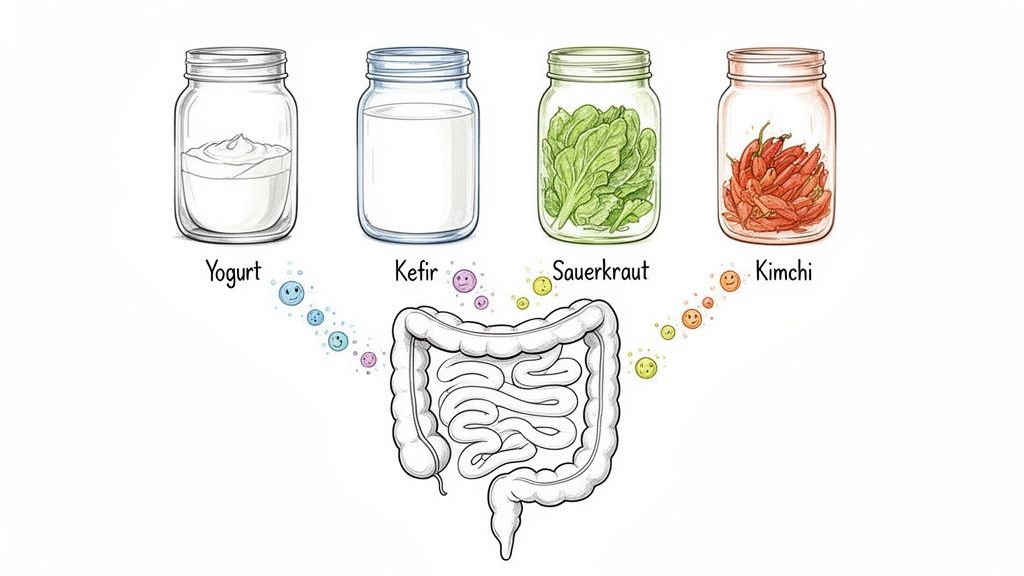
1. Fermented Foods (Yogurt, Kefir, Sauerkraut, Kimchi)
Fermented foods are a powerhouse for gut health, acting as a direct delivery system for beneficial live bacteria, known as probiotics. Through a process called lacto-fermentation, natural bacteria feed on the sugar and starch in the food, creating lactic acid. This not only preserves the food but also generates billions of beneficial probiotic organisms that help colonize the gut microbiome, improve digestion, and support nutrient absorption.
The fermentation process also pre-digests certain food compounds, making them easier for your body to break down and use. This is why some people who are lactose intolerant can often handle yogurt or kefir. A well-balanced gut microbiome, supported by a regular intake of these foods, is also linked to improved mood and reduced cravings, making this a particularly useful category for those working to understand emotional eating patterns.
How to Incorporate Fermented Foods
Integrating these powerful foods into your routine is simpler than it sounds. Small, consistent additions can make a significant difference.
- Breakfast Boost: Add a scoop of Greek yogurt with "live and active cultures" to your morning smoothie or oatmeal.
- Savory Topper: Use a forkful of sauerkraut or kimchi as a tangy condiment on sandwiches, salads, or grain bowls.
- Probiotic Sip: Swap sugary sodas for a glass of water kefir or kombucha for a refreshing, gut-friendly beverage.
Key Considerations
To get the most benefit, pay attention to labels and start slowly to allow your digestive system to adjust.
Expert Tip: Always choose refrigerated, unpasteurized versions of foods like sauerkraut and kimchi. Pasteurization (heating) kills the live probiotics, removing the primary gut health benefit.
- Check the Label: Look for phrases like "live and active cultures," "contains probiotics," or "raw and unpasteurized." Avoid products with excessive added sugars or preservatives.
- Start Small: Begin with one to two tablespoons daily. This gives your existing gut microbiome time to adapt to the new bacteria without causing digestive discomfort.
- Pair with Prebiotics: Probiotics need fuel to thrive. Pair your fermented foods with prebiotic-rich items like onions, garlic, bananas, or whole grains to feed the good bacteria.
2. Fiber-Rich Vegetables (Leafy Greens, Broccoli, Brussels Sprouts)
Fiber-rich vegetables are fundamental to a healthy digestive system, acting as the primary food source, or prebiotics, for your beneficial gut bacteria. These vegetables provide both soluble fiber, which dissolves in water to form a gel-like substance that slows digestion, and insoluble fiber, which adds bulk to stool and promotes regularity. By nourishing the beneficial microbes in your gut, these foods help maintain a balanced and diverse microbiome.
This high-fiber, nutrient-dense profile makes vegetables an excellent gut-friendly food for managing weight and stabilizing blood sugar without strict calorie counting. The fiber promotes a feeling of fullness, which can naturally reduce overall calorie intake and curb cravings. A gut populated with well-fed, healthy bacteria is better equipped to send signals to the brain that regulate appetite and mood, supporting a more intuitive approach to eating.
How to Incorporate Fiber-Rich Vegetables
Adding more of these vegetables to your meals can be simple and delicious. The key is to find preparations you enjoy and to build the habit consistently.
- Foundation for Meals: Use a large handful of mixed greens or spinach as the base for your lunch salads and grain bowls.
- Smart Snacking: Pair raw broccoli florets with hummus for a snack that combines fiber with protein for sustained energy.
- Flavorful Sides: Roast Brussels sprouts with a little olive oil and sea salt until crispy for a satisfying and easy side dish.
Key Considerations
To maximize the benefits of fiber and avoid digestive upset, it's important to increase your intake gradually and prepare vegetables thoughtfully.
Expert Tip: Don't be afraid to mix raw and cooked vegetables. Cooking can make some vegetables, like Brussels sprouts and broccoli, easier to digest and can also increase the bioavailability of certain nutrients.
- Aim for Variety: Different vegetables contain different types of fiber and phytonutrients. Eating a wide array of colors, from dark leafy greens to cruciferous vegetables, ensures your gut microbiome gets diverse fuel.
- Start Slowly: If you're not used to a high-fiber diet, increase your intake over two to three weeks. This gives your digestive system time to adapt and prevents gas or bloating.
- Keep the Skin On: Whenever possible, eat the skins of vegetables like cucumbers and potatoes, as they are a concentrated source of valuable fiber and nutrients.
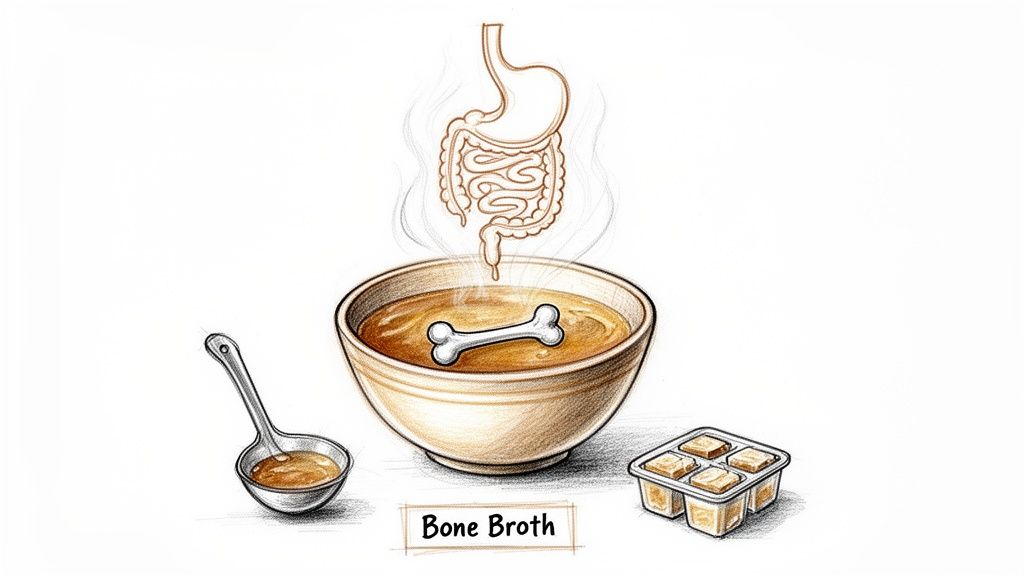
3. Bone Broth
Bone broth is a nutrient-dense liquid made by simmering animal bones and connective tissue for an extended period. This slow cooking process extracts valuable compounds like collagen, gelatin, and amino acids, particularly L-glutamine, which are essential for maintaining the integrity of the intestinal lining. For this reason, it is considered an exceptionally healing and gut-friendly food, especially for those with digestive sensitivities or conditions like leaky gut.
The gelatin in bone broth helps to coat and soothe the digestive tract, supporting the smooth passage of food. Its rich, savory flavor also makes it a satisfying and comforting alternative to other beverages, encouraging mindful eating and helping to manage cravings. Regular consumption can support a healthy gut barrier, reduce inflammation, and provide easily absorbable minerals.
How to Incorporate Bone Broth
Adding this nourishing liquid to your diet is versatile and can be done in many simple ways beyond just sipping it plain.
- Morning Ritual: Gently warm a mug of bone broth as a savory, caffeine-free alternative to your morning coffee.
- Flavorful Base: Use it in place of water or stock to cook grains like rice and quinoa, or as the foundation for soups, stews, and risotto.
- Mealtime Sip: Drink a small cup of warm broth before a meal to help prepare your digestive system.
Key Considerations
To maximize the benefits, focus on quality sourcing and proper preparation. Beyond traditional liquid broth, you can also find convenient protein bone broth powder to easily incorporate into your diet.
Expert Tip: Adding a splash of apple cider vinegar to your pot while simmering can help pull more minerals from the bones, making your final broth even more nutrient-rich.
- Source High-Quality Bones: Whenever possible, choose bones from grass-fed, pasture-raised animals to avoid unwanted hormones or antibiotics.
- Make and Freeze: Prepare large batches and freeze them in silicone ice cube trays. This allows for easy portioning to add to sauces, smoothies, or a quick mug.
- Balance Your Meal: While bone broth is healing, it is not a complete meal. Combine it with lean proteins, vegetables, and healthy fats for balanced nutrition.
4. Omega-3 Rich Foods (Wild Salmon, Sardines, Flaxseeds, Walnuts)
Omega-3 fatty acids are powerful anti-inflammatory agents essential for maintaining a calm and healthy gut. These healthy fats, particularly EPA and DHA from fish and ALA from plant sources, help reduce intestinal inflammation, which is a common root cause of digestive discomfort. By supporting the integrity of the gut lining, they contribute to a robust barrier against harmful substances entering the bloodstream.
Beyond digestion, a consistent intake of omega-3s is closely linked to brain health and mood regulation. These fats are a key component of brain cells and support the blood-brain barrier, strengthening the gut-brain connection. This makes them a critical gut-friendly food for individuals managing stress-related eating patterns, as their satiating effect also aids in natural portion control and reduces cravings.
How to Incorporate Omega-3 Rich Foods
Adding these anti-inflammatory foods to your meals is a straightforward way to support both your gut and mind. Focus on variety and consistency.
- Main Protein: Aim for two servings of fatty fish per week, such as baked wild salmon for dinner.
- Quick Lunch: Top whole-grain toast with sardines for a fast, nutrient-dense meal.
- Breakfast Addition: Sprinkle a tablespoon of ground flaxseeds over your oatmeal, yogurt, or smoothie.
- Smart Snack: Grab a small handful of walnuts for a satiating afternoon snack that curbs hunger.
Key Considerations
To maximize the benefits of omega-3s, sourcing and preparation matter. A few simple habits can make a big difference.
Expert Tip: Always grind flaxseeds right before you use them. Whole flaxseeds can pass through your digestive system undigested, meaning you miss out on their valuable omega-3 content and other nutrients.
- Choose Wisely: Opt for wild-caught fish over farmed varieties when possible, as they generally have a higher concentration of omega-3s. Rotate between different types of fish to minimize potential exposure to mercury.
- Proper Storage: Keep nuts and seeds like walnuts and flaxseeds in a cool, dark place or the refrigerator to prevent their delicate fats from oxidizing and going rancid.
- Track Your Progress: Logging your omega-3 rich meals in an app like Superbloom can help you connect your food intake with improvements in your mood and digestion.
5. Whole Grains (Oats, Quinoa, Barley, Brown Rice)
Whole grains are a cornerstone of a gut-friendly food plan because they retain all three parts of the grain kernel: the bran, germ, and endosperm. This complete structure preserves essential nutrients, including B vitamins, minerals, and most importantly, fiber. Unlike their refined counterparts, which can cause sharp blood sugar spikes, the complex carbohydrates and fiber in whole grains provide a slow, steady release of energy, promoting stable blood sugar and reducing cravings.
The high content of prebiotic fiber in whole grains is particularly beneficial for the gut. These fibers act as a fuel source for the beneficial bacteria in your microbiome, helping them to thrive and produce health-promoting compounds like short-chain fatty acids. A diet rich in this type of fiber supports regular bowel movements, improves satiety to aid in weight management, and contributes to a robust and diverse gut ecosystem.
How to Incorporate Whole Grains
Making the switch to whole grains is a simple yet impactful dietary change. Focus on incorporating them into meals where you might normally use refined grains.
- Hearty Breakfast: Start your day with a bowl of steel-cut or rolled oats topped with fruit and nuts for sustained energy.
- Versatile Base: Use quinoa as a complete protein base for salads or as a nutritious alternative to white rice in stir-fries and bowls.
- Soup and Stew Booster: Add barley to vegetable soups or stews for a chewy texture and a significant fiber boost.
- Classic Swap: Replace white rice with brown rice for your grain bowls, pairing it with lean protein and plenty of vegetables.
Key Considerations
To maximize the digestive benefits of whole grains and ensure they work for you, a few simple strategies can make a big difference.
Expert Tip: To improve digestibility and nutrient absorption, try soaking grains like brown rice or barley for several hours before cooking. This process helps break down phytic acid, an anti-nutrient that can interfere with mineral absorption.
- Choose Wisely: Opt for less-processed versions like steel-cut oats over instant varieties, which often contain added sugars and have less fiber.
- Balance Your Plate: Pair your serving of whole grains with a source of protein and healthy fat. This combination helps to further stabilize blood sugar levels and promotes longer-lasting fullness.
- Mindful Portions: While incredibly healthy, portion size matters. A typical serving is about ½ to 1 cup of cooked grains, which provides benefits without causing digestive overload.
6. Resistant Starch Foods (Green Bananas, Cooled Potatoes, Legumes)
Resistant starch is a unique type of carbohydrate that resists digestion in your small intestine. Instead, it travels to the large intestine where it acts as a powerful prebiotic. It selectively feeds the beneficial bacteria in your gut, which in turn produce short-chain fatty acids like butyrate. This compound is the primary fuel source for the cells lining your colon, helping to maintain a strong gut barrier and reduce inflammation.
Because it bypasses normal digestion, resistant starch doesn’t cause the blood sugar spikes associated with other starches, promoting stable energy levels and supporting metabolic health. This makes it an exceptional gut-friendly food for those looking to manage weight and improve digestive function without restrictive dieting. Its prebiotic nature helps cultivate a more robust and diverse gut microbiome, which is foundational to overall wellness.
How to Incorporate Resistant Starch Foods
Adding resistant starch to your meals often involves a simple change in food preparation, primarily by cooking and then cooling starchy foods.
- Breakfast Smoothies: Add one to two tablespoons of green banana flour to your morning smoothie for a potent prebiotic boost without altering the taste.
- Side Dishes: Prepare a potato salad using boiled potatoes that have been completely cooled in the refrigerator. The cooling process significantly increases their resistant starch content.
- Meal Prep: Cook a batch of rice or lentils at the beginning of the week and store it in the fridge. Use the cooled rice for sushi or cold grain bowls, and add the lentils or white beans to salads.
Key Considerations
To maximize the benefits of this gut-friendly food, focus on preparation methods and start with small servings to let your system adapt.
Expert Tip: The key to forming resistant starch is the cook-and-cool method. Allowing starchy foods like potatoes, rice, and pasta to cool overnight in the refrigerator fundamentally changes their structure to benefit your gut bacteria. Reheating them at a low temperature does not significantly reduce the resistant starch content.
- Start Slowly: Begin with just two to three tablespoons of cooled starches or a small serving of legumes per day. This allows your gut microbiome to adjust and helps prevent potential gas or bloating.
- Rinse Legumes: If you're using canned beans or lentils, rinse them thoroughly to remove excess sodium and compounds like lectins that can cause digestive irritation for some individuals.
- Combine and Balance: Pair resistant starch sources with lean proteins and non-starchy vegetables to create well-rounded, blood-sugar-balancing meals that keep you full and energized.
7. Polyphenol-Rich Foods (Berries, Dark Chocolate, Green Tea, Red Wine)
Polyphenols are naturally occurring plant compounds that act as a feast for your beneficial gut bacteria. These powerful antioxidants not only help combat oxidative stress and inflammation throughout the body but also directly feed good microbes like Akkermansia muciniphila, which is crucial for a strong gut lining. When your gut bacteria metabolize polyphenols, they produce beneficial postbiotics that support gut barrier function and overall health.
This symbiotic relationship makes polyphenol-rich foods a key component of a gut-friendly food plan. By nurturing the right bacteria, these foods can improve digestion, support a balanced microbiome, and may even enhance mood, making them particularly useful for those managing stress-related eating habits.

How to Incorporate Polyphenol-Rich Foods
Adding these vibrant foods to your diet is both delicious and straightforward. Focus on color and quality to get the most out of each bite.
- Colorful Breakfast: Top your oatmeal, yogurt, or smoothie with a handful of mixed berries like blueberries, raspberries, and blackberries.
- Mindful Treat: Enjoy a small square of dark chocolate (70% cacao or higher) as a satisfying dessert or afternoon snack.
- Soothing Sip: Swap a sugary drink for a freshly brewed cup of green tea to get a gentle energy lift and a dose of polyphenols.
- Dinner Pairing: If you enjoy alcohol, a small glass of red wine a few times a week with a meal can contribute to your polyphenol intake.
Key Considerations
To maximize the benefits of these foods, focus on quality and mindful consumption. Small adjustments can make a big impact on how your body absorbs and uses these compounds.
Expert Tip: Choose variety and color. Different polyphenols are found in different colored plants, so eating a wide range of fruits, vegetables, and other plant foods ensures you are feeding a diverse array of beneficial gut microbes.
- Check the Cacao: When selecting dark chocolate, look for a cacao content of 70% or higher and minimal added sugar to ensure you're getting more antioxidants than sweeteners.
- Brew It Right: To extract the maximum amount of polyphenols from green tea, steep it in hot (not boiling) water for 3 to 5 minutes.
- Pair with Healthy Fats: Consume polyphenol-rich foods with a source of healthy fat, such as nuts or olive oil, to improve the absorption of these fat-soluble compounds.
8. Healthy Fats (Avocado, Olive Oil, Coconut Oil, Nuts)
Healthy fats are crucial for a well-functioning digestive system and overall health, playing a key role in nutrient absorption and reducing inflammation. High-quality fats from sources like avocados, olive oil, and nuts help support the integrity of the gut lining and slow down digestion. This process promotes satiety, which helps regulate appetite and reduces the likelihood of overeating, making them an excellent gut-friendly food.
These fats are also essential for absorbing fat-soluble vitamins (A, D, E, and K), which are vital for immune function and cellular repair. By providing sustained energy and supporting hormone production, a diet rich in healthy fats can lead to more stable blood sugar levels and fewer cravings. This creates a positive feedback loop that supports a calm and balanced digestive environment.
How to Incorporate Healthy Fats
Adding these nutrient-dense fats to your daily meals can be both simple and delicious. Focus on whole-food sources for the greatest benefit.
- Breakfast Upgrade: Top whole-grain toast with half a mashed avocado, a squeeze of lemon, and a sprinkle of sea salt.
- Finishing Touch: Drizzle extra virgin olive oil over roasted vegetables, salads, or soups just before serving to preserve its delicate compounds.
- Smart Snack: Keep a small portion of almonds, walnuts, or macadamia nuts on hand for a satisfying afternoon snack that provides lasting energy.
- Cooking with Care: Use coconut oil for sautéing or roasting at medium temperatures, or add a teaspoon to your morning coffee for a creamy boost.
Key Considerations
Choosing the right type of fat and storing it properly ensures you receive its full health benefits. Quality and preparation matter significantly.
Expert Tip: To maximize the anti-inflammatory benefits, choose cold-pressed, extra virgin olive oil. Its rich polyphenol content is highest when the oil is unrefined and protected from heat.
- Check for Quality: Look for extra virgin olive oil sold in dark glass bottles, as light and heat can degrade its beneficial compounds.
- Mindful Portions: While incredibly healthy, fats are calorie-dense. Practice mindful eating by portioning nuts into a small bowl instead of eating directly from the bag.
- Combine for Satiety: Pair your healthy fats with fiber and protein, such as an apple with almond butter or a salad with grilled chicken and olive oil dressing, to create a meal that keeps you full and satisfied for hours.
9. Garlic and Onions (Inulin-Rich Prebiotic Foods)
Garlic and onions are foundational flavor-builders in cuisines worldwide and serve as powerful prebiotics for the gut. They are particularly rich in a type of soluble fiber called inulin, which acts as a dedicated food source for beneficial gut bacteria. This fiber travels undigested to the colon, where it selectively nourishes key species like Bifidobacterium and Faecalibacterium, helping them thrive and produce health-promoting compounds like butyrate.
Beyond their prebiotic function, garlic and onions contain unique compounds with significant health benefits. Garlic is known for allicin, which has antimicrobial and anti-inflammatory properties, while onions provide quercetin, a potent antioxidant. By including these alliums, you can support a robust microbiome and add immense, calorie-free flavor to your meals, making nutritious food more satisfying and enjoyable.
How to Incorporate Garlic and Onions
These versatile ingredients can be easily added to nearly any savory dish, whether cooked or raw.
- Savory Base: Start your soups, stews, or sauces by sautéing minced garlic and diced onions in olive oil to create a rich flavor foundation.
- Flavorful Topping: Slowly caramelize onions to bring out their natural sweetness and use them as a topping for grilled proteins, vegetables, or whole-grain toast.
- Raw Power: Add finely minced raw garlic to salad dressings, guacamole, or homemade hummus for a pungent, healthy kick.
- Broth Infusion: Simmer whole garlic cloves and onion halves in bone broth or vegetable stock to infuse it with both flavor and prebiotic goodness.
Key Considerations
How you prepare and consume garlic and onions can change their benefits, so a little planning goes a long way.
Expert Tip: To maximize garlic's health benefits, chop or mince it and let it sit for about 10 minutes before exposing it to heat. This waiting period allows the enzyme alliinase to activate and produce allicin.
- Vary Your Prep: Use a mix of raw and cooked forms. Raw garlic provides the most allicin, while cooked onions make their quercetin more bioavailable.
- Start Slowly: If you are sensitive to high-FODMAP foods, introduce garlic and onions in small amounts. Bloating can be a sign that your microbiome is adjusting to the new prebiotic fiber.
- Proper Storage: Keep garlic and onions in a cool, dark, and well-ventilated place to maintain their freshness and potency for longer.
10. Bone Marrow and Organ Meats (Liver, Heart, Kidneys)
While less common in modern diets, organ meats and bone marrow are traditional, nutrient-dense foods that offer profound benefits for gut health. They supply a concentrated, bioavailable form of essential vitamins and minerals that often surpass muscle meats. Organ meats are particularly rich in B vitamins (like B12 and folate), iron, zinc, and choline, which are crucial for maintaining energy levels, supporting a healthy gut lining, and promoting efficient digestion.
The amino acids found in these foods, such as glycine in bone marrow, are building blocks for repairing intestinal tissue and can help soothe inflammation. Their high satiety factor also supports natural portion control, making them a powerful tool for those seeking to build a better relationship with food. Integrating these traditional powerhouses can be a direct way to provide the gut with the specific nutrients it needs to function optimally.
How to Incorporate Bone Marrow and Organ Meats
Introducing these nutrient-packed foods can be approachable and delicious with the right preparation. A little goes a long way due to their concentrated nutritional profile.
- Sautéed Delicacy: Sauté 2-3 ounces of grass-fed beef or chicken liver with onions and herbs once or twice a week for a potent nutrient boost.
- Hearty Stews: Add diced beef heart to slow-cooked stews or chilis. The low-and-slow cooking method creates a tender, mild-flavored result.
- Savory Spread: Create a simple chicken liver pâté to serve with vegetable sticks or gluten-free crackers. It's an elegant and easy way to consume this superfood.
- Rich Topper: Roast bone marrow and spread the rich, buttery contents on a slice of sourdough toast as a special treat.
Key Considerations
Sourcing and preparation are key to enjoying the benefits of organ meats. Start with small amounts to allow your body to adjust to the high nutrient concentration.
Expert Tip: To mellow the strong flavor of liver, soak it in milk or a mixture of water and lemon juice for 30-60 minutes before cooking. This simple step makes it much more palatable for beginners.
- Source Wisely: Always choose organ meats from grass-fed, pasture-raised animals. The liver and kidneys are filtering organs, so a clean source minimizes exposure to accumulated toxins.
- Start Small: Begin with just 2-3 ounces per serving, 1-2 times per week. This provides a substantial dose of nutrients without overwhelming your system.
- Enhance Absorption: Pair your organ meat meal with a food high in vitamin C, like bell peppers or broccoli, to significantly increase iron absorption.
Gut-Friendly Foods: 10-Item Comparison
Your Path Forward: Building a Resilient Gut
Navigating the world of nutrition can feel overwhelming, but improving your gut health doesn't require a complete dietary overhaul overnight. This guide has offered a detailed look at ten powerful food categories, from the probiotic-rich ferments like kefir and kimchi to the prebiotic powerhouses of garlic and onions. We've explored how omega-3s in wild salmon can cool inflammation, how resistant starches in cooled potatoes feed beneficial bacteria, and how the collagen in bone broth can support your intestinal lining.
The core principle is not to perfectly incorporate every single item, but to view this list as a diverse menu of options for your unique digestive system. True progress comes from listening to your body's feedback. Introducing a new gut-friendly food should be an experiment in awareness. How do you feel after adding sauerkraut to your lunch? Does a breakfast of oatmeal and berries provide sustained energy and digestive comfort? The answers to these questions are your personal roadmap.
Key Takeaways for Sustainable Gut Health
Remember that consistency trumps intensity. Overloading your system with too many new high-fiber or fermented foods at once can lead to temporary discomfort. Instead, focus on gradual, intentional integration.
- Start Small and Observe: Choose just one or two new foods from this list to introduce this week. Maybe it's adding a tablespoon of kimchi to your evening meal or snacking on a handful of walnuts. Pay close attention to changes in your energy, digestion, and overall well-being.
- Prioritize Diversity: Your gut microbiome thrives on a variety of fibers and nutrients. Aim to rotate different foods throughout your week. If you had broccoli and leafy greens yesterday, try incorporating some legumes or a small portion of cooled potatoes today.
- Listen to Your Body's Signals: Bloating, gas, or discomfort can be signals that a certain food, or a certain quantity of it, isn't right for you at this moment. This doesn't mean it's a "bad" food; it simply means your system needs a different approach. This feedback is invaluable data.
Building a resilient gut is an act of self-care that extends far beyond digestion. It impacts your immune system, mood, and cognitive function. By making small, mindful choices and consistently choosing a gut-friendly food that works for you, you are investing in a foundation for long-term health. The journey is about creating sustainable habits that feel good, not enforcing rigid rules that cause stress. You are building a relationship with your body based on nourishment and respect, one meal at a time.
Tired of guessing which foods work for you? Take the next step with Superbloom, the AI nutrition coach that helps you connect the dots between what you eat and how you feel. Simply snap a photo of your meals, log your symptoms, and let Superbloom identify your unique patterns and triggers. Start your journey to a happier gut today.